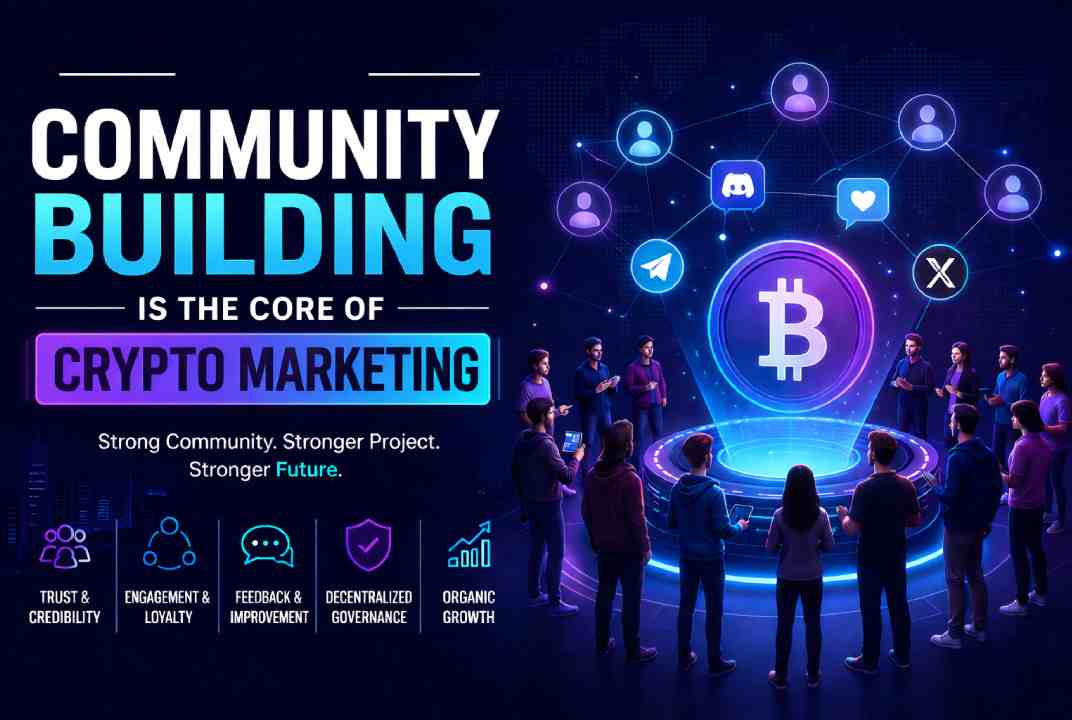
Core Pillars of Community Building in Crypto Marketing
Effective community building is not limited to growing follower counts. It involves structured engagement systems that align users with the long-term success of the project.
1. Narrative Building and Shared Identity
Every strong crypto community is built around a narrative. This narrative defines:
- Why the project exists
- What problem it solves
- Why users should care
- How the ecosystem evolves over time
Projects like Bitcoin developed strong communities because they established a clear ideological narrative around decentralization and financial sovereignty.
Narratives are reinforced through:
- Educational content
- Founder communication
- Community discussions
- Memes and cultural expression
A shared identity transforms users into advocates.
2. Education as a Growth Engine
Crypto ecosystems are complex. Without education, adoption stalls. Community-driven education ensures that users understand:
- Token utility
- Governance mechanisms
- Protocol functionality
- Risk structures
Communities often self-organize into learning hubs on Discord and Telegram, where members explain concepts, share updates, and onboard newcomers.
Education reduces friction and increases long-term retention.
3. Incentivized Participation
Many crypto communities use incentive structures to encourage engagement. These may include:
- Airdrops for early contributors
- Governance rewards
- Staking mechanisms
- Contribution-based recognition
- Community quests and campaigns
While incentives attract users initially, sustained participation depends on whether users find ongoing value in being part of the ecosystem.
4. Governance and Ownership
Decentralized governance transforms community members into decision-makers. Token holders often vote on:
- Protocol upgrades
- Treasury allocation
- Ecosystem partnerships
- Fee structures
This governance layer strengthens emotional and financial ownership. When users influence outcomes, they become more invested in long-term success.
5. Real-Time Engagement Channels
Crypto communities operate in highly dynamic environments where information spreads rapidly. Platforms like Telegram enable instant updates, while Discord supports structured discussions and role-based communities.
Real-time engagement helps:
- Manage market volatility
- Respond to rumors or misinformation
- Coordinate global community actions
- Maintain transparency during updates
Speed of communication often determines narrative control.
How Community Drives Crypto Marketing Outcomes
1. Awareness Through Organic Amplification
Unlike traditional paid marketing channels, crypto ecosystems thrive on organic reach powered by their communities. Members actively share updates, repost announcements, and create derivative content such as memes, threads, and discussions that significantly expand visibility. On platforms like Twitter (X), this amplification becomes especially powerful. Viral threads, influencer interactions, and community-driven narratives help projects reach wider audiences without relying heavily on ad spend. This organic momentum often results in more authentic engagement and stronger brand recall.
2. Trust Formation Without Central Authority
In the crypto space, trust is not built through centralized branding or traditional authority—it emerges from transparency, consistency, and community validation. Open discussions, peer reviews, and shared user experiences form the foundation of credibility. A strong, active community helps reduce skepticism and builds confidence among potential users and investors. When people see real users advocating for a project, it creates a sense of reliability that no centralized campaign can replicate.
3. Liquidity and Market Stability
Community engagement plays a crucial role in influencing trading behavior and overall market health. Highly engaged communities tend to:
- Increase transaction volume
- Reduce panic selling during market volatility
- Attract new liquidity providers
- Support long-term price stability
This dynamic is clearly visible in ecosystems like Ethereum, where a strong base of developers, users, and supporters contributes to sustained network activity and resilience, even during market fluctuations.
4. Ecosystem Expansion
A thriving community acts as a growth engine for the entire ecosystem. Beyond users, it attracts developers, partners, and contributors who want to build and innovate within the network.
Developers often choose blockchain ecosystems based on:
- Community engagement and responsiveness
- Availability of support and collaboration
- Quality of documentation
- Overall ecosystem vibrancy
When a community is active and welcoming, it becomes a magnet for innovation, accelerating ecosystem growth without heavy reliance on traditional marketing strategies.
Strategies That Strengthen Crypto Communities
While community growth can’t be entirely controlled, the right strategies can significantly improve long-term sustainability and engagement. Successful crypto projects focus on building genuine relationships rather than short-term hype.
1. Transparent Communication from Core Teams
Open and consistent communication builds credibility. Regular updates, honest discussions about challenges, and clear roadmaps help communities feel involved and informed. Transparency reduces uncertainty and strengthens long-term trust.
2. Continuous Education Initiatives
Crypto can be complex, especially for new users. Providing educational content such as guides, webinars, AMAs, and explainers empowers community members to make informed decisions and participate more actively.
3. Regular Governance Participation Opportunities
Decentralization thrives when users have a voice. Enabling community members to vote on proposals, suggest improvements, and influence project direction fosters a sense of ownership and deeper engagement.
4. Active Moderation Across Platforms
Healthy communities require structured environments. Active moderation ensures discussions remain productive, spam-free, and aligned with community guidelines across platforms like Discord, Telegram, and Twitter (X). This helps maintain quality interactions and protects the community experience.
5. Recognition Systems for Contributors
Rewarding active members encourages continued participation. Whether through token incentives, shoutouts, exclusive roles, or NFT-based recognition, acknowledging contributions builds loyalty and motivates others to engage.
6. Cross-Community Collaborations
Collaborating with other projects introduces communities to new audiences and shared opportunities. Joint campaigns, partnerships, and co-hosted events expand reach while strengthening credibility within the broader crypto ecosystem.
The Future of Community-Led Crypto Marketing
As blockchain ecosystems mature, community-driven marketing will become even more important. AI tools, decentralized identity systems, and on-chain governance will deepen user participation.
Future communities will likely:
- Operate as decentralized autonomous marketing engines
- Use on-chain reputation systems
- Integrate AI-assisted moderation and engagement
- Coordinate multi-chain ecosystems
- Influence protocol development directly
In this environment, marketing will no longer be a separate function. It will be embedded into the community itself.
Conclusion
Community building is the foundation of crypto marketing because it replaces centralized trust with collective participation. It drives awareness, liquidity, governance, and ecosystem growth simultaneously. Unlike traditional marketing funnels, crypto communities function as living systems where users are not just audiences but active contributors shaping the future of protocols. From pioneering networks like Bitcoin to programmable ecosystems like Ethereum, every successful blockchain project demonstrates the same principle: without a strong community, even the most innovative technology struggles to achieve adoption. As the crypto industry continues to evolve, community will remain the most powerful force shaping its direction, stability, and long-term success.